
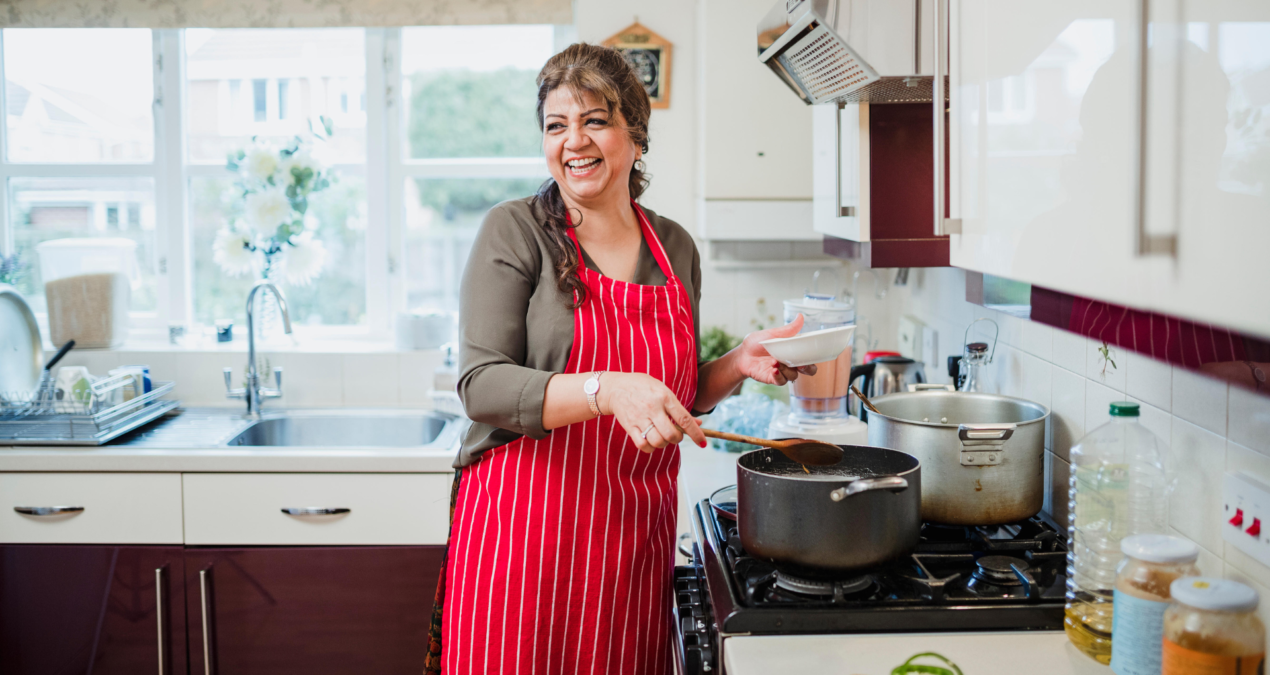
Cooking can be a practical way to practise self-care by creating a calming, mindful routine. It engages the senses and encourages focus, helping to reduce stress and promote a sense of accomplishment.
The key to enjoying cooking as self-care lies in approaching it as a creative and personal experience rather than a chore. Choosing recipes that fit your mood and skill level makes the process more enjoyable and rewarding.
By setting aside time without distractions, cooking becomes a moment of relaxation and control. This simple shift can transform everyday meals into opportunities for well-being.
Understanding Cooking as Self-Care
Cooking can serve as a practical way to support mental and physical health. It offers more than nourishment and plays a role in reshaping daily habits around personal well-being.
The Connection Between Cooking and Well-Being
Cooking affects both mind and body. Engaging with ingredients and preparing meals can reduce stress by focusing attention and promoting mindfulness. It provides a sensory experience through smells, textures, and colours, which can improve mood.
Physically, preparing food at home encourages balanced nutrition. This supports energy levels and overall health, which contributes to a positive sense of self. Regular home cooking often leads to better control over ingredients, aiding in the management of dietary needs.
Redefining Cooking: From Chore to Care
Many view cooking as a task to complete rather than an opportunity for self-care. Shifting this mindset changes how people approach meal preparation, turning it from a routine obligation into a purposeful activity.
This redefinition encourages intentional cooking choices. It fosters creativity and offers a break from technological distractions. Appreciating cooking as an act of nurturing oneself it supports emotional resilience and self-compassion.
Transforming Your Self-Care Routine With Home Cooking
Incorporating cooking into a self-care routine means setting aside dedicated time for meal preparation. This can create a calming, predictable structure within the day that promotes consistency and personal control.
Simple strategies help integrate cooking without overwhelming. These include planning meals ahead, experimenting with new recipes, and cooking in batches. The routine becomes a source of satisfaction and healthy habits, reinforcing the link between home cooking and self-care.
The Mental and Emotional Benefits of Cooking
Cooking offers practical advantages beyond nourishment. It engages the mind through focused attention and taps into creativity while building self-assurance. Additionally, it provides a valuable way to reduce stress and promote calm.
Mindfulness in the Kitchen
Cooking requires attention to detail, from measuring ingredients to monitoring cooking times. This deliberate focus encourages mindfulness, drawing one’s awareness fully into the present moment.
By concentrating on sensory experiences such as smells, textures, and colours, it becomes easier to detach from distracting thoughts. Practising this form of mindfulness can help reduce rumination and promote mental clarity.
This act of immersing oneself in simple tasks encourages a calm, meditative state. It allows people to experience a break in daily stressors through a tangible activity.
Cooking as a Creative Outlet
Cooking provides a space to experiment and express individuality. Trying new recipes or adapting existing ones allows for innovation and personal flavour combinations.
This creative process engages divergent thinking, stimulating problem-solving and the exploration of ideas. It can foster a sense of satisfaction as one constructs something unique.
The kitchen thus becomes an arena for artistic expression, where players can craft meals shaped by their preferences. This creative outlet supports emotional well-being by channelling energy into purposeful action.
Boosting Confidence Through Cooking
Successfully preparing a meal builds a sense of accomplishment. Mastering new techniques or creating dishes from scratch reinforces self-efficacy.
This confidence can extend beyond the kitchen, influencing a person’s outlook in other areas of life. It encourages taking on challenges and persevering through difficulties.
Setting achievable cooking goals and meeting them promotes a positive feedback loop. Recognition of progress fosters motivation and personal growth.
Cultivating Relaxation and Stress Relief
The rhythmic actions involved in chopping, stirring, or kneading can have calming effects similar to repetitive physical activities. These motions help lower heart rate and reduce cortisol levels.
Engaging in cooking diverts attention from stress-inducing thoughts, providing mental respite. The sensory involvement—aroma, taste, and touch—also contributes to relaxation.
Preparing and enjoying food supports emotional balance by creating a soothing routine. This can be especially beneficial during periods of heightened tension.
Nourishment and Nutrition: Eating Well Through Home-Cooked Meals
Home-cooked meals offer control over ingredients and preparation methods, allowing for improved nourishment. Selecting the right products and focusing on nutrient retention support a balanced diet. Minimising processed foods further enhances overall nutrition.
Choosing Quality Ingredients
Choosing quality ingredients starts with fresh, seasonal produce. Fresh vegetables and fruits contain higher nutrient content compared to those stored long or heavily processed. Proteins such as lean meats, fish, eggs, or plant-based alternatives should be sourced with care for freshness and ethical standards.
Buying organic when possible reduces exposure to pesticides. Whole grains and minimally processed staples like brown rice or quinoa also add nutritional depth. Reading labels helps identify additives or fillers that detract from food quality.
Planning shopping lists around nutrient-dense foods prioritises nourishment and supports cooking that feels rewarding and healthful.
Maximising Nutritional Value
Maximising nutritional value involves preserving vitamins and minerals during cooking. Methods like steaming, baking, or sautéing use less heat or water, retaining more nutrients than boiling.
Using whole ingredients, such as cooking vegetables with skins on, boosts fibre intake. Avoiding overcooking prevents nutrient degradation. Combining foods, for example, adding healthy fats to vegetable dishes, improves absorption of fat-soluble vitamins (A, D, E, K).
Portion control and balance ensure meals supply energy without excess calories. Storing leftovers correctly also maintains nutritional integrity.
Embracing More Vegetables and Whole Foods
Incorporating a variety of vegetables increases fibre, vitamins, and antioxidants in meals. Diverse colours signal different nutrients, so including greens, reds, yellows, and purples is beneficial.
Whole foods, including legumes, nuts, and whole grains, offer sustained energy and reduce blood sugar spikes compared to refined alternatives. They also provide essential micronutrients often lacking in processed foods.
Meal preparation that highlights vegetables as main ingredients, rather than side dishes, shifts focus to nourishment. Experimenting with herbs and spices can enhance flavour without additional salt or sugar.
Reducing Processed Foods at Home
Reducing processed foods at home means limiting ingredients high in added sugars, salts, and unhealthy fats. Commercially prepared meats, snacks, and ready meals often contain preservatives that offer little nutritional benefit.
Replacing these with whole, minimally processed products allows better control over nutrient intake. Cooking from scratch uses natural ingredients and avoids excess additives.
Planning and batch cooking can help manage time constraints, making it easier to avoid processed convenience foods. Reading labels aids in recognising unwanted components before purchase.
Building Connections and Enjoyment
Cooking can be a rewarding activity that deepens relationships, encourages learning, and sparks inspiration through diverse resources. It provides a practical way to connect with others, improve skills, and discover new ideas.
Sharing Meals to Foster Connection
Sharing meals transforms cooking from a solo task into a meaningful social experience. When people eat together, they engage in conversation, bond, and create lasting memories. Cooking at home for family or friends offers control over ingredients and atmosphere, making the shared meal more personalised and comforting.
Inviting others to participate in meal preparation can further enhance connection. Collaborative cooking encourages communication and teamwork, fostering a sense of belonging. Even small actions, like serving food or setting the table, contribute to the feeling of togetherness.
Exploring New Skills and Cooking Techniques
Trying new cooking techniques revitalises the kitchen experience and builds self-confidence. Whether mastering sous vide, knife skills, or fermenting, learning keeps the process engaging.
Experimentation allows individuals to adapt dishes to personal preferences and dietary needs. Recording successes and failures helps refine techniques over time. Structured practice and watching instructional videos can accelerate skill development.
Key techniques to explore:
- Sautéing
- Roasting
- Steaming
- Baking
- Marinating
This variety builds competence and enjoyment in cooking.
Inspiration from Cookbooks and Resources
Cookbooks remain a valuable source for both beginners and experienced cooks. They offer step-by-step guidance, menus, and cultural insights. Choosing a cookbook aligned with one’s interests ensures motivation and relevance.
Digital resources such as blogs and apps provide instant access to recipes and cooking tips. Interactive platforms allow users to share experiences and ask questions, enhancing learning.
To maintain interest, rotating between different sources—print, online, and video—can provide fresh ideas and avoid stagnation. Selecting cookbooks with clear instructions and practical advice is crucial for effective learning.