
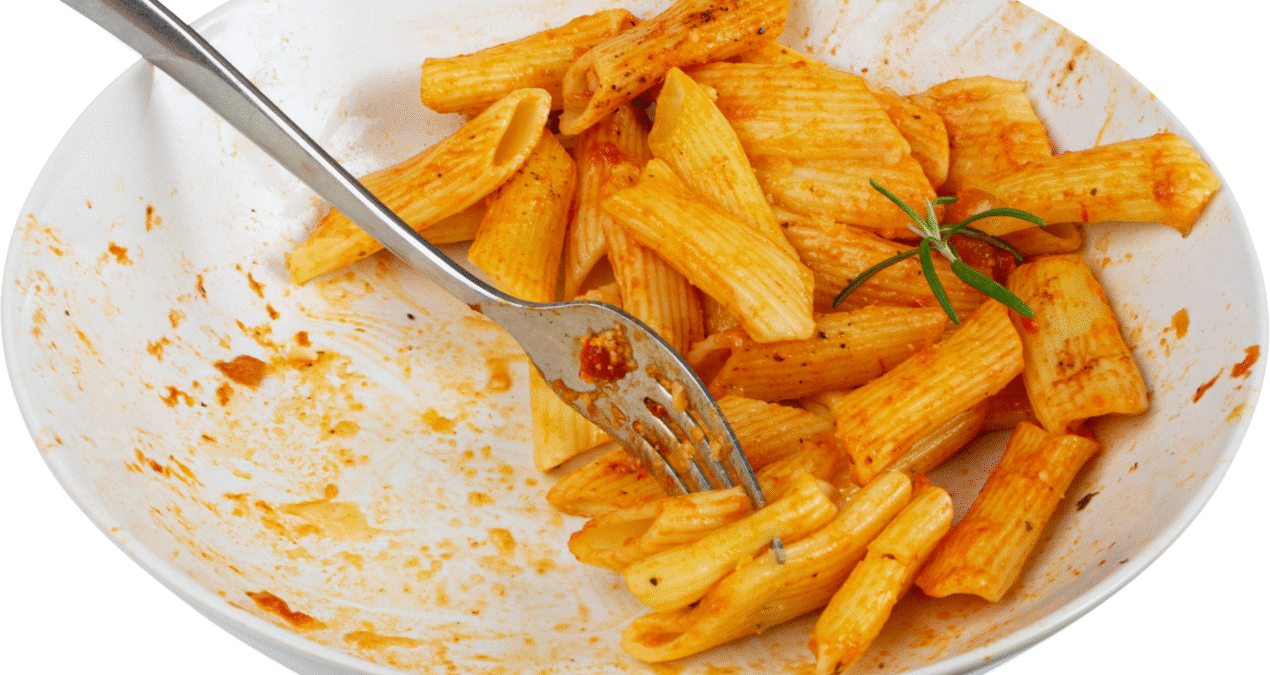
Leftovers often present a challenge, but they can also become an opportunity for culinary creativity. Repurposing leftovers not only reduces food waste but also sparks innovative meal ideas. With a little imagination, what once sat uneaten in the fridge can transform into flavourful new dishes that delight the palate.
Imagine turning yesterday’s roast into a hearty soup or blending extra veggies into a vibrant smoothie. By thinking outside the box, meals can be reinvented in ways that save time and resources. These creative approaches not only make the most of available ingredients but also shine a light on sustainable cooking practices.
As they explore the artistic potential of leftovers, individuals can discover simple methods to elevate their everyday cooking. This article will delve into various inventive strategies that make the most of what’s already on hand, ensuring that nothing goes to waste.
Fundamental Strategies for Using Leftovers
Utilising leftovers effectively requires planning and organisation. Employing specific strategies can help reduce waste, save money, and creatively incorporate leftover ingredients into meals.
Meal Planning to Minimise Leftovers
Meal planning plays a vital role in significantly reducing leftovers. By outlining the week’s meals in advance, individuals can prepare only the necessary amount of food. This approach encourages shopping for precise quantities, limiting the chances of excess ingredients.
Incorporating versatile recipes helps make the most of whatever remains. For instance, using chicken can translate into tacos, salads, or soups throughout the week. Such strategies not only ensure a varied diet but also enhance resourcefulness in the kitchen.
Proper Storage and Labelling
Storing leftovers properly is crucial to maintaining their quality and safety. Using airtight containers prevents spoilage and keeps flavours intact. It is advisable to label containers with the date they were stored to keep track of freshness.
Additionally, understanding the recommended storage times can prevent food waste. For example, cooked meat lasts about three to four days in the fridge, while many vegetables can remain fresh for up to a week when stored correctly.
Meal Prep with Spare Ingredients
Utilising spare ingredients through meal preparation offers a great way to maximise resources. Leftover vegetables, meats, and grains can be repurposed in innovative meals.
Creating a base dish, such as a stir-fry or casserole, allows for flexibility. Ingredients can easily be swapped in and out, tailoring meals to what is available. This method not only reduces waste but also encourages culinary creativity while saving money on groceries.
Classic Dishes to Repurpose Leftovers
Leftovers offer an excellent opportunity to create satisfying classic dishes. By utilising these dishes, reducing food waste becomes easy while enjoying delicious meals. The following options provide creative ways to transform leftovers into satisfying recipes.
Soups and Stews
Soups and stews are ideal for using various leftovers. A simple way to make soup is by simmering leftover cooked vegetables in a rich stock. This can include anything from carrots and potatoes to greens like spinach or kale.
For stews, combining meat or beans with leftover vegetables creates a hearty meal. Adding herbs and spices can enhance the flavour. Ribollita, a traditional Italian soup, uses stale bread and cooked vegetables, making it a perfect dish to utilise those fridge remnants.
Hearty Casseroles
Casseroles are versatile and can incorporate nearly any leftover ingredient. Start by layering leftover cooked vegetables, meat, or grains in a baking dish. A creamy sauce or tomato base can enhance the dish.
Topping with cheese or breadcrumbs adds a satisfying crunch. Classic variations include shepherd’s pie, which uses leftover meat and vegetables under a layer of mashed potatoes. Another option is a vegetable casserole that combines leftover roasted vegetables, adding flavour and texture.
Frittatas and Omelettes
Frittatas and omelettes are excellent for turning leftover ingredients into quick meals. Eggs serve as a solid base, allowing for creativity with fillings. Leftover cooked vegetables, meats, and even cheeses can be mixed into the eggs.
Simply whisk a few eggs, add the leftovers, and cook in a skillet until firm. Frittatas can be served warm or cold, making them a flexible option. These dishes are especially useful for breakfast or brunch, showcasing how simple ingredients can result in a delicious meal.
Creative Meal Transformations
Transforming leftovers into fresh meals can enhance flavour and reduce food waste. By reimagining what is already available, creative meals can emerge from leftovers that offer variety and satisfaction.
Wraps, Tacos, and Burritos
Leftover cooked meats, such as buffalo chicken, can take centre stage in wraps, tacos, or burritos.
- Buffalo Chicken Wrap: Combine the buffalo chicken with lettuce, tomatoes, and a drizzle of ranch dressing in a large tortilla wrap. This adds freshness and crunch.
- Tacos: Pop leftover meat, beans, or roasted vegetables into taco shells. Garnish with avocado, cheese, or salsa for added flavour.
- Burritos: For a hearty option, mix leftover rice and beans with the meat. Wrap it all in a tortilla.
This method utilises a variety of flavours and textures, making each meal exciting.
Salads and Bowls
Leftovers can elevate salads and grain bowls with minimal effort. They provide a nutritious way to consume the remaining ingredients.
- Salads: Use leftover roasted vegetables or proteins as salad toppings. Mix with fresh greens, nuts, and a tangy dressing. This combination creates an energising meal.
- Grain Bowls: Transform leftover rice or quinoa by adding excess proteins, vegetables, and a sauce. Consider teriyaki sauce or pesto to enhance taste.
These combinations ensure that meals are diverse, nutrient-rich, and appealing to the palate.
Pasta Dishes and Stir-Fries
Leftover pasta can quickly become the foundation of a new dish. By incorporating additional ingredients, a simple transformation can occur.
- Pasta Dishes: Combine leftover pasta with fresh or frozen vegetables. Toss in olive oil, garlic, or cream for a quick sauce. Add cheese for a rich finish.
- Stir-Fry: Leftover rice makes an excellent base for a stir-fry. Incorporate vegetables and proteins, and stir-fry them in soy sauce. This creates a quick, flavourful meal that’s satisfying.
These methods maximise ingredients, ensuring nothing goes to waste while offering new dining experiences.
Inventive Uses for Specific Ingredients
Utilising leftovers creatively can transform meals and reduce waste. Each ingredient has its own potential for innovative dishes, ensuring that nothing goes to waste and every flavour shines.
Bread and Bakery Leftovers
Stale bread can be repurposed in various ways. It can be transformed into croutons by cutting it into cubes, tossing it with olive oil, and baking it until golden. These croutons can enhance salads or soups. Another option is making breadcrumbs for coatings or binding in dishes like meatballs.
Additionally, leftover bread can be used in bread puddings or French toast. Simply soak slices in a mixture of milk, eggs, and spices, then bake. Panzanella, an Italian bread salad, also makes excellent use of stale bread by combining it with ripe tomatoes and a vinaigrette.
Leftover Meats
Leftover meats offer versatile meal possibilities. Cooked ham can be cubed and added to pasta salads, quiches, or omelettes. It serves well in comforting dishes such as a hearty ham and pea soup.
Cooked chicken, too, can be refined in numerous ways. Shredded chicken is ideal for quesadillas or chicken salads. Leftover steak can be repurposed in stir-fries or as a filling in stuffed peppers. Each method highlights the savouriness of the meat while presenting a fresh meal.
Vegetable and Potato Creations
Leftover vegetables and potatoes can be transformed into new sides or main dishes. Baked potatoes, for instance, can be turned into skins filled with cheese, bacon, and chives for a tasty snack.
Leftover mashed potato can serve as a base for potato cakes. Mixing the mash with onions, herbs, or cheese, forming patties, and pan-frying yields a satisfying dish. Vegetable scraps, like carrot tops or broccoli stems, can create stock or be blended into a pesto. These ideas showcase how to reduce food waste while enjoying diverse flavours.
Sweet and Breakfast Ideas
Bananas that have become too ripe find purpose in baked goods or breakfast options. They can be mashed into porridge or used in banana bread, adding natural sweetness while providing moisture.
Leftover baked goods can also be adaptable. Stale pastries can be revived by toasting and serving with fresh toppings. French toast made from leftover pastries offers a delightful twist on breakfast staples, combining warmth and sweetness for a satisfying start to the day.