
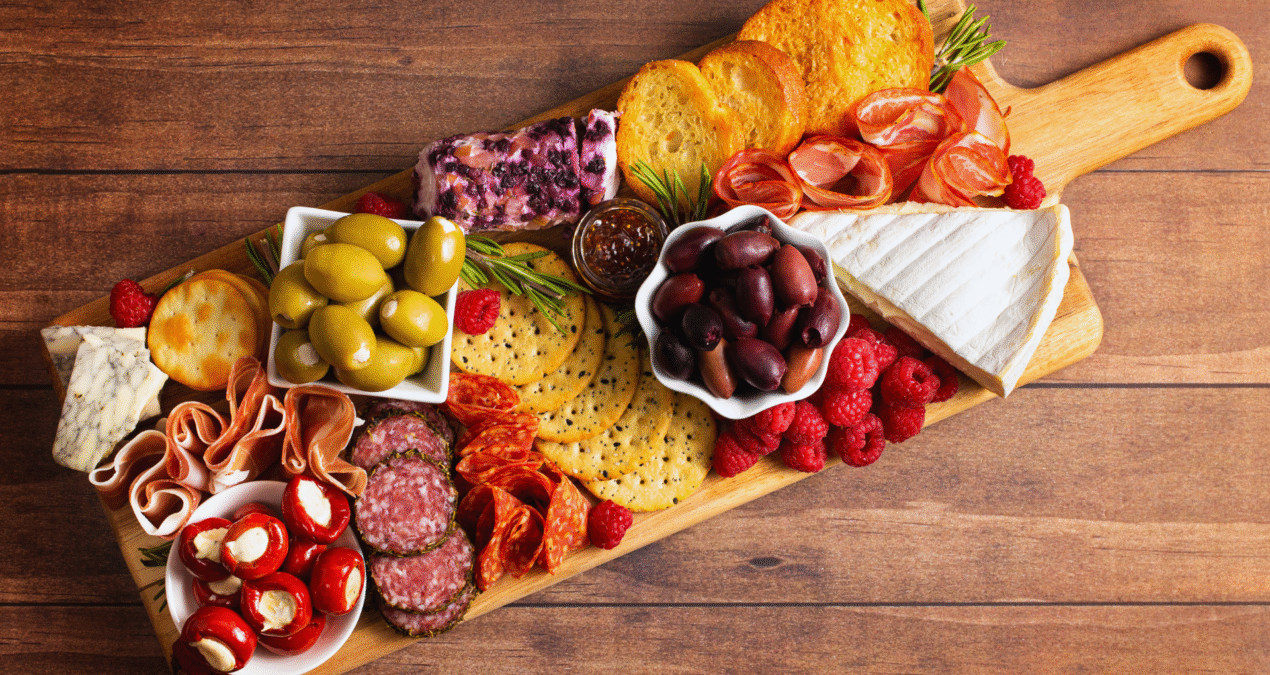
Creating the ultimate charcuterie board is both an art and a science that can impress guests and elevate any gathering. To build a successful charcuterie board, one must consider a balanced combination of meats, cheeses, fruits, and accompaniments that appeal to a variety of tastes. The aesthetic appeal of the arrangement can enhance the dining experience, making it visually captivating as well.
Choosing quality ingredients is key. The ideal selection should include a mix of textures and flavours—from creamy brie to sharp cheddar, and from spicy salami to sweet figs. Adding nuts, olives, and pickles can provide additional contrast, bringing the entire board together harmoniously.
Presentation plays a significant role in the enjoyment of a charcuterie board. Utilising different heights and varying arrangements can create an eye-catching display. By following these principles, anyone can master the art of charcuterie and create a memorable culinary experience.
Selecting the Finest Meats and Cheeses
A well-crafted charcuterie board features a thoughtful selection of cured meats and cheeses that complement each other. Understanding specific types and flavours is essential for creating an impressive display.
Choosing Cured Meats
When selecting cured meats, consider a variety of textures and flavours. Options include:
- Prosciutto: This Italian ham is known for its delicate, sweet flavour and soft texture. It pairs well with melons and soft cheeses.
- Salami: A classic choice, salami offers a rich, spicy kick. Variety matters; choices like Genoa and Calabrese differ in flavour profiles and spiciness.
- Chorizo: Spanish chorizo brings a smoky element, with a bold paprika flavour. It works well with tangy cheeses.
- Terrines and Pâtés: These spreadable options add elegance and complexity. Choose liver pâté for richness or vegetable-based terrines for a lighter touch.
Selecting a mix of these options creates a robust charcuterie experience.
Exploring Cheese Varieties
Different cheese types provide a wide range of flavours and textures that enhance the charcuterie board. Include:
- Soft Cheeses: Brie and Camembert are rich and creamy, while goat cheese adds a tangy bite. These pair nicely with fruits and honey.
- Hard Cheeses: Cheddar and Gruyère offer firmer textures and a deeper flavour. They complement robust meats like salami and chorizo.
- Semi-Hard and Blue Cheeses: Havarti is mild and versatile, whereas blue cheese introduces a sharp tanginess that counters rich meats.
A balanced selection featuring both soft and hard cheeses provides variety and depth.
Pairing Meats and Cheeses
Pairing meats with complementary cheeses enhances the overall flavour profile. Consider these combinations:
- Prosciutto and Brie: The sweetness of prosciutto pairs beautifully with the creaminess of Brie.
- Salami and Aged Cheddar: The sharpness of cheddar contrasts well with the spiciness of salami.
- Chorizo and Goat Cheese: The tangy notes of goat cheese balance the smoky flavours in chorizo.
Experimenting with these pairings allows for creativity and personal preference in charcuterie board design.
Curating Accompaniments for Flavour and Texture
Selecting the right accompaniments enhances a charcuterie board by adding diverse flavours and textures. Fresh and dried fruits, nuts, crisps, spreads, and pickles all play integral roles in creating a balanced visual and taste experience.
Fresh and Dried Fruit Selection
Fruits are essential for introducing freshness and a hint of sweetness. Seasonal fruits like strawberries, blueberries, figs, and grapes pair well with cheeses and meats. Their natural sugars can balance the savoury elements of the board.
For a contrasting texture, incorporate dried fruits such as dried apricots and raisins. They add chewiness and deeper flavour. Combining both fresh and dried options ensures a colourful and interesting spread that caters to various palates. Consider arranging fruits in small clusters to enhance presentation.
Nuts and Crisps
Nuts contribute to crunch and richness. Pecans, pistachios, and cashews offer diverse flavours ranging from buttery to slightly sweet. A variety of nuts not only enriches the texture but also adds healthy fats to the board.
Crisps, such as artisan crackers or freshly baked baguette slices, provide a sturdy base for spreading and tasting. Opt for whole-grain options for added depth. Mixing different shapes and sizes of crisps adds visual appeal and invites guests to explore flavours.
Savoury and Sweet Spreads
A selection of spreads can elevate any charcuterie board. Honey brings natural sweetness, while jams and preserves can introduce fruity notes. Chutneys and condiments like whole grain mustard provide sharpness and zest, complementing meats and cheeses.
These spreads encourage experimentation. Guests can mix and match with other elements on the board. Providing small spoons or knives for each spread promotes easy access and prevents cross-contamination.
Pickles and Vegetables
Pickles add a tangy bite, cutting through the richness of meats and cheeses. Options such as gherkins and cornichons work well for their crunch and acidity. They enhance each bite, offering a refreshing counterpoint.
Incorporating vegetables like olives or other marinated selections can further diversify textures. Carrot sticks or bell pepper slices provide a fresh, crunchy element. Their vivid colours add to the visual appeal while inviting healthy snacking.
Styling and Presenting Your Charcuterie Board
Creating a visually appealing charcuterie board enhances the grazing experience for guests. Attention to detail in the arrangement, garnishes, flavour balance, and seasonal themes elevates the presentation and invites enjoyment.
Arranging the Board
Arrangement is critical to an engaging charcuterie board. Start by selecting a large board or platter, ensuring ample space for each item. Place larger items, like cheeses and meats, first, distributing them across the board. Position softer cheeses near crackers for easy pairing.
Intersperse smaller items such as nuts, olives, and dried fruits in between. This creates visual interest and facilitates easy access. Arrange items in groups, maintaining a balance of colour and texture. As a guideline, use varying heights to add dimension. Stand cheeses upright or stack meats for an inviting look.
Garnishes and Fresh Herbs
Garnishes and fresh herbs add colour and a burst of flavour. Consider using rosemary, thyme, or basil for their aromatic qualities. Scatter fresh herbs throughout the board or cluster them near cheeses. This not only enhances the aesthetic but also offers a sensory experience.
Edible flowers can also serve as attractive garnishes, introducing a pop of colour. Incorporate nuts or seeds in charming little bowls to create depth. Complement the board with small scoops for artfully serving spreads or dips like honey or mustard.
Balancing Flavour Profiles
A well-constructed board achieves harmony through flavour profiles. Include a variety of elements to cater to different palates: sweet, savoury, spicy, sour, and salty. For instance, pair creamy Brie with sweet fig jam and salty prosciutto.
Introduce contrasting textures to excite the palate. A crunchy cracker alongside smooth pâté offers a delightful pairing. Chart flavours to ensure balance. Thoroughly consider strong cheeses against mild fruits, optimising the tasting experience and encouraging culinary exploration among guests.
Seasonal and Themed Boards
Seasonality and themes enhance the charcuterie board experience. Adjust ingredients based on the time of year, using fresh produce to reflect local harvests. For instance, autumn boards might integrate rich cheeses with roasted pumpkin seeds and spiced pears.
Theme-based boards can further personalise gatherings. A Mediterranean-inspired board could showcase olives, feta, and hummus, while a festive holiday selection might include spiced meats and seasonal fruits. Aligning flavours and decorations to a common theme fosters connectedness during hosting and entertaining, making gatherings memorable.
Expert Tips for Serving and Pairing
Effective service and thoughtful pairing elevate the charcuterie board experience. Knowledge of portion sizes and drink pairings contributes significantly to the enjoyment of this appetiser.
Portion Planning and Serving Suggestions
When assembling a charcuterie board, planning portions is essential. It is advisable to offer a total of 100-150 grams of meat per person. This amount allows each guest to sample a variety without overwhelming them.
Variety enhances appeal, so include different textures and flavours. Consider featuring cured meats like prosciutto, salami, and chorizo alongside a selection of cheeses such as brie, cheddar, and gorgonzola.
Complement these with accompaniments like olives, nuts, and fresh fruits. Arrange the items in groups for visual appeal, and use small bowls for dips or spreads. Include a variety of crackers or bread for added texture.
Wine and Beverage Pairings
Choosing the right beverages amplifies the flavours of the charcuterie board. Cabernet Sauvignon pairs well with robust meats and aged cheeses. Its bold tannins complement the saltiness of cured meats effectively.
For lighter options, Pinot Noir works harmoniously with a range of flavours, making it an excellent all-round choice. The wine’s fruit-forward profile balances the richness of cheeses and meats.
Offering non-alcoholic alternatives can be beneficial. Consider serving refreshing sparkling water or a herb-infused lemonade. This ensures all guests have enjoyable beverage options regardless of their preference.