
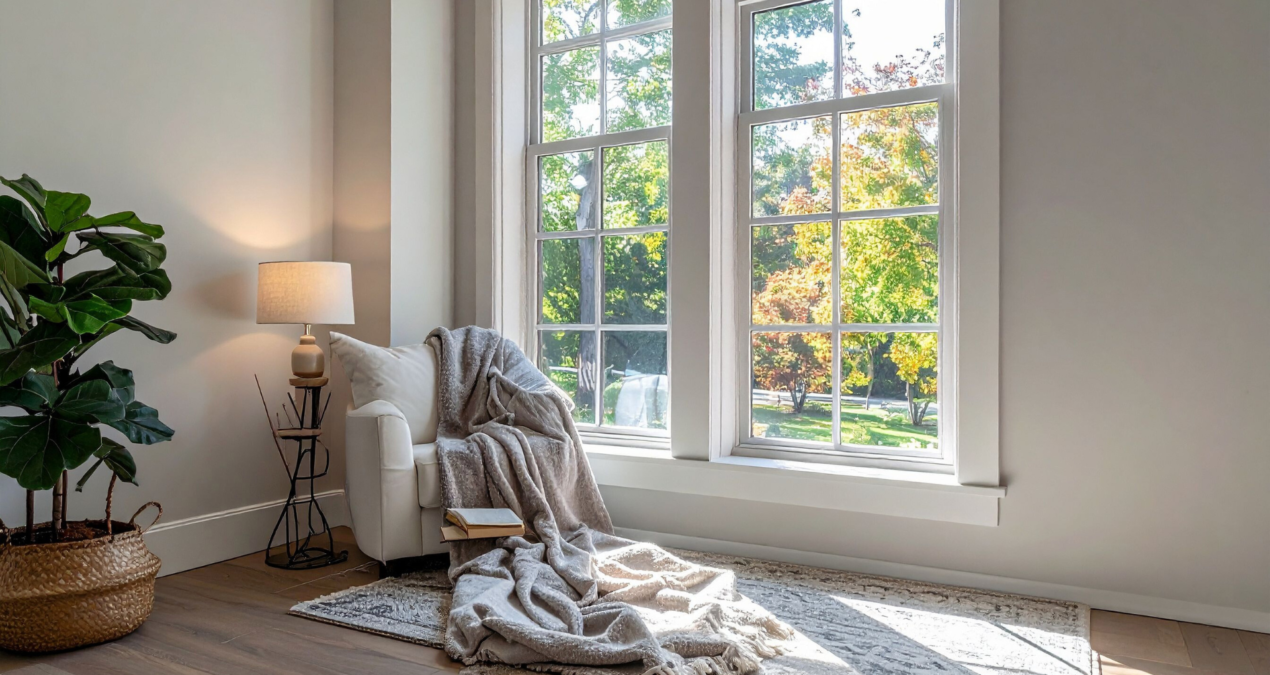
Creating calm corners in every room helps to promote relaxation and focus amid everyday activity. These spaces are intentionally designed to reduce stress and foster a sense of peace, using simple elements like soft lighting, comfortable seating, and minimal distractions.
A calm corner does not require a large area or elaborate decor but instead focuses on thoughtful placement and calming textures to make any space feel more serene. By incorporating calming colours, natural materials, and personal touches, these corners can fit seamlessly into any room’s purpose.
People often overlook the power of small, dedicated areas for mental rest within busy homes. This article will show practical ways to create calm corners that support well-being without drastic changes to existing layouts.
Essential Elements of a Calm Corner
A calm corner needs careful consideration of space, noise level, and colour to promote mindfulness and relaxation. These components work together to create an effective quiet nook that encourages peace and focus in any room.
Choosing the Right Location
The location of a calm corner is crucial. It should be away from heavy foot traffic and sources of distraction like televisions or busy household areas. Ideally, it is positioned in a part of the room with natural light but not direct sunlight to avoid overheating or glare.
Corners near windows or less frequently used spaces, such as a spare room or unused hallway alcove, work well. The area should feel private and safe, allowing the individual to retreat without interruptions. Measuring the space ensures the corner fits comfortably with seating and any calming accessories.
Creating a Quiet Nook
To establish a quiet nook, sound control is vital. Thick curtains or heavy rugs can help absorb noise, reducing echoes and outside disturbances. Adding soft furnishings such as cushions or a small pouffe increases comfort and muffles sound further.
The layout should be minimal, with only essential items to avoid visual clutter, which can disrupt mindfulness. A small shelf or basket for books, a diffuser for aromatherapy, or a plant can enhance the atmosphere without crowding the space.
Selecting Soothing Colours
Colour choices greatly influence relaxation in a calm corner. Soft, muted hues like pale blues, greys, or earthy tones are best as they reduce visual stimulation. Avoid bright or overly vibrant colours, which can increase alertness and make it harder to unwind.
Matte finishes prevent glare, which can cause strain. Using colour consistently on walls, fabrics, and accessories creates harmony and supports mental calmness, making the corner a welcoming place to focus or meditate.
Comfort and Sensory Features
A calm corner relies on physical comfort and sensory elements to create a relaxing environment. Seating, lighting, and sound play crucial roles in supporting rest and focus without distractions or discomfort.
Incorporating Comfortable Seating
Choosing the right seating is essential for a calm corner. Bean bags offer flexible, cosy support that moulds to the body, helping reduce tension. Alternatively, cushioned chairs with ergonomic design provide good posture support, encouraging relaxation over long periods.
Seating should invite stillness but avoid stiffness. Soft materials, such as velvet or microfiber, add tactile comfort. It is helpful to include cushions or small throws that can be adjusted for personal comfort needs, making the space adaptable for all users.
Using Soft Lighting
Soft lighting helps reduce eye strain and creates a soothing atmosphere. Warm white bulbs with adjustable dimmers allow control over brightness levels, ideal for various times of day or activities. Avoid harsh fluorescent or blue-toned lighting as these can increase alertness and tension.
Lamps with fabric shades diffuse light gently, spreading a calm glow rather than sharp shadows. Colour-changing LED bulbs can be used to tailor the ambience, for example, shifting to amber tones in the evening to prepare the body for rest.
Adding Calming Sounds
Sound influences mood and can help mask distracting noise. White noise machines produce consistent, neutral background sounds effective in blocking sudden environmental noises. They aid concentration or sleep by creating auditory consistency.
Noise-cancelling headphones are useful when external noise levels vary or when private quiet time is needed. Playing soft instrumental music or nature sounds through speakers provides gentle auditory stimulation, though volume should remain low to avoid overstimulation.
Mindfulness and Coping Strategies
Creating a calm space involves practical tools and methods that support emotional regulation and self-awareness. These approaches help individuals manage stress and build resilience through intentional habits and mindful actions.
Tools for Emotional Regulation
Physical objects like stress balls, fidget toys, and kinetic sand are effective for emotional regulation. These items provide tactile stimulation, which can reduce anxiety and improve concentration. Having these tools available in calm corners helps individuals focus on the present moment, grounding them during periods of distress.
The repetitive motions involved with fidget toys or shaping kinetic sand engage the sensory system. This engagement can lower the body’s stress response, making it easier to regain composure. Keeping a small selection of these tools nearby ensures quick access to calming techniques when needed.
Developing Healthy Coping Strategies
Healthy coping strategies involve consistent practices that manage stress without causing harm. Strategies such as deep breathing exercises, progressive muscle relaxation, or guided meditation are practical. Integrating these into a calm corner encourages regular use and makes them more accessible in daily life.
Writing, drawing, or listening to soothing music also supports emotional balance. Encouraging individuals to identify their preferred coping methods allows personalisation of the calm corner. This personalised space then becomes a reliable resource for handling stress effectively.
Encouraging Self-Awareness
Self-awareness is fundamental to recognising emotional states before they escalate. Practices like mindfulness encourage individuals to observe feelings without judgment. This clear recognition supports better emotional decisions.
Journaling or using mood charts in the calm corner can reinforce self-awareness. When individuals track their emotional patterns, they develop insight into triggers and responses. This insight helps build long-term coping skills and promotes mental well-being.
Personalisation and Daily Use
Creating a calm corner requires thoughtful choices to ensure it suits individual preferences and daily habits. Attention to detail in décor and consistent use build familiarity and enhance mindfulness.
Personalising with Décor
Personalisation involves selecting items that promote relaxation and reflect personal taste. Soft lighting, such as a small lamp or fairy lights, reduces harshness and fosters calm.
Incorporate tactile objects like cushions, throws, or a weighted blanket for comfort. Natural elements, such as small plants or smooth stones, help ground the space visually and mentally.
Colours matter; muted tones like soft blues, greens, or earthy shades support a peaceful atmosphere. Avoid clutter, keeping the area simple and organised to prevent distractions during mindfulness moments.
Establishing a Routine for Use
Consistency cements the calm corner as a habitual retreat. Setting specific times, such as early morning or before bed, frames the space as part of a daily self-care routine.
Encourage brief, regular mindfulness exercises while seated in the corner. This could include focused breathing, guided meditation, or gentle stretching.
A dedicated calm corner encourages stepping away from screens or noisy environments. The more a person uses the space daily, the stronger the association with relaxation and mental clarity becomes.