
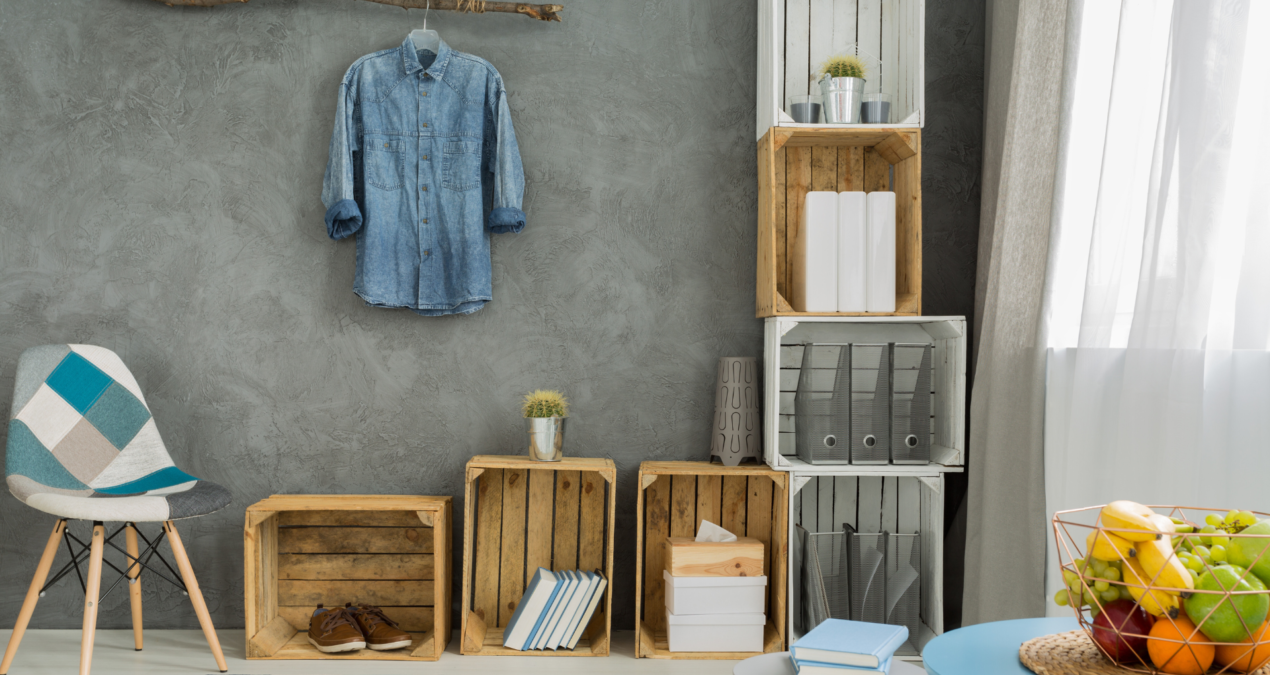
Cluttered spaces can make any home feel disorganised and stressful. DIY storage solutions are a practical way to reclaim order without spending a fortune on ready-made furniture. Simple, customised storage ideas often provide better use of space and fit individual needs more effectively than off-the-shelf options.
Many DIY projects use affordable materials and can be tailored to fit awkward nooks or unusual room shapes. This approach allows people to maximise every inch of their home while keeping personal style intact.
Understanding which storage solutions suit different types of clutter can make a significant difference. The right method transforms chaotic areas into streamlined, functional zones.
Assessing Space and Planning DIY Storage
Effective planning begins with understanding the current state of the space and what needs improvement. Clear goals and a thoughtful layout create the foundation for practical and efficient DIY storage solutions.
Evaluating Cluttered Areas
The first step involves a detailed inspection of the cluttered areas. Measure available floor space, wall height, and any awkward corners or unused spaces. Note what items create the most clutter—whether papers, clothes, tools, or kitchenware—as this affects storage choice.
Identify obstacles such as heating vents, windows, or electrical outlets that limit options. Taking photographs or sketching simple floor plans helps visualise the space. Categorising items by frequency of use ensures that storage solutions reflect daily habits, making the area more functional.
Setting Storage Priorities and Goals
He or she should clearly define what the storage solution must achieve before starting a project. Prioritise ease of access for frequently used items. For example, daily kitchen utensils should be easily reachable, whereas seasonal decorations can be stored long-term.
Goals may include maximising vertical space, reducing visible clutter, or creating multi-purpose areas. Consider the durability, aesthetics, and cost of materials as well. Setting these priorities helps narrow down the type and size of DIY storage units required, and it informs design choices.
Designing a Functional Layout
Designing the layout addresses how storage solutions fit the space while supporting user needs. Combining wall-mounted shelves, stackable boxes, and corner units can optimise tight or irregular spaces. Group items logically—for example, all craft supplies in one basket or toolsets in labelled drawers.
Plan for clear pathways and avoid blocking natural light. Include adjustable elements like removable shelves to accommodate changing storage needs. Drawing out the layout with dimensions and storage categories prevents mistakes during installation and ensures the solution remains practical and accessible.
Essential DIY Storage Solutions for Cluttered Spaces
Effective storage focuses on utilising overlooked areas and adaptable fixtures. Small changes like custom shelves or multi-purpose boxes can create order without costly renovations or bulky furniture.
Entryway Organisation Ideas
Entryways often accumulate shoes, keys, mail, and coats. Installing wall-mounted hooks and narrow benches with shoe racks helps separate items by category and keeps floors clear.
A slim shoe cubby with labelled compartments makes finding pairs easier. Adding a shallow tray for keys or a small shelf for mail prevents clutter from spreading.
Magnetic strips or pegboards can hold small metal items like keys or scissors. Using baskets under benches offers quick grab bags for dog walks or gym gear.
Open Closets and Adjustable Shelving
Open closets benefit from customised adjustable shelves suited to the user’s specific storage needs. Shelving made from sturdy materials like plywood can fit easily into existing frames.
Adjustable shelves improve flexibility by allowing changes in spacing for differing item sizes, such as shoes, handbags, or folded sweaters. Clear storage boxes or baskets keep smaller items grouped but visible.
Adding a tension rod within the closet provides additional hanging space for scarves or bags. Labelled bins on lower shelves reduce clutter and make access more efficient.
Hidden Storage for Toys and Miscellaneous Items
Concealed storage is essential in living areas with children or multiple users. Under-seat compartments or built-in storage ottomans can hide toys while doubling as seating.
Stackable storage boxes with lids keep smaller toys sorted and safe from dust. Using furniture with secret drawers or hollow spaces utilises every inch of available area.
Custom-made storage benches with hinged tops or pull-out trays maximise family room tidiness. The key is combining functionality with discreet design to maintain a clean aesthetic.
Maximising Under-Bed Storage
The space below beds is often underused yet perfect for flat storage solutions. Installing rolling drawers or flat boxes on wheels allows easy access without heavy lifting.
Clear plastic containers keep items visible and dust-free. Label each container according to contents, like seasonal clothes, shoes, or bedding.
Elevating the bed frame by 20-30 cm creates more room for taller storage boxes. Bed skirts hide the storage and maintain a tidy appearance in bedrooms.
Creative Built-In and Wall-Mounted Storage Options
Built-in and wall-mounted storage maximises space without cluttering floors. It offers tailored solutions that enhance organisation and match room aesthetics, particularly in small or awkward areas.
DIY Floating and Corner Shelves
Floating shelves are simple to install and provide a clean, modern look. They can be fixed at varying heights to display books, décor, or everyday items neatly.
Corner shelves make use of often-overlooked wall space. Triangular or L-shaped units fit snugly into corners, increasing storage in compact rooms.
Both types require sturdy brackets and proper wall anchors to support the weight safely. Choosing materials like timber or MDF helps match existing interiors or add texture.
Creating a Storage Accent Wall
A storage accent wall combines functionality with design impact. It involves installing shelves, cabinets, or pegboards across one wall to consolidate items in an organised manner.
Using uniform shelving units or modular cubes can create a balanced look. Colour or finish can contrast with the rest of the room to highlight the storage feature.
Incorporating hooks or cubbies adds versatility for hanging bags or storing shoes. This method is particularly effective in living rooms, bedrooms, or home offices.
Custom Shelf Solutions
Custom shelves are tailored to specific needs and spaces. They offer flexibility in size, shape, and material to fit awkward nooks or irregular walls.
A custom shelf can be designed with adjustable height or integrated storage compartments. This is valuable for storing items of different sizes without wasted space.
Professionally cut timber or plywood is often used for durability. This option requires precise measurement but delivers a seamless, purpose-built solution.
Clever Kitchen Storage Hacks and Small Space Solutions
Maximising kitchen storage in small spaces requires using vertical areas and unconventional organisers. Efficient use of walls and open display solutions can reduce cabinet clutter and keep essentials easily accessible.
Installing Kitchen Pegboards
Kitchen pegboards offer flexible and customisable storage by allowing hooks and holders to be moved as needed. They are ideal for hanging utensils, cutting boards, and even mugs, freeing up drawer and countertop space.
Mounting a pegboard on a free wall or inside a cupboard door can transform underutilised areas. It supports various accessories like baskets or shelves, helpful for storing small items. Pegboards are especially useful in compact kitchens as they increase visibility and accessibility of tools, reducing countertop mess.
Pot Racks to Free Up Cabinet Space
Pot racks create dedicated space for pans and lids, which often consume bulky cabinet space. Hanging pot racks can be installed from the ceiling or wall, keeping cookware within easy reach while opening up cupboards.
Choosing a pot rack depends on kitchen layout and inventory size. Wall-mounted models suit smaller kitchens with limited ceiling space, while ceiling racks work well in larger areas or over islands. These racks prevent stacking damage and maintain better organisation for pots and pans.
Creative Spice Storage
Efficient spice storage can significantly clear countertop and cabinet space. Magnetic spice racks affixed to fridge doors or metal surfaces use vertical space without adding clutter. Drawer inserts with labelled compartments keep spices orderly and easy to find.
Stackable tiered spice racks fit inside cabinets or pantries, displaying labels clearly and maximising storage capacity. Clear containers or uniform jars also enhance visibility. Creative Spice Organisation ensures quick access while preserving limited kitchen space.