
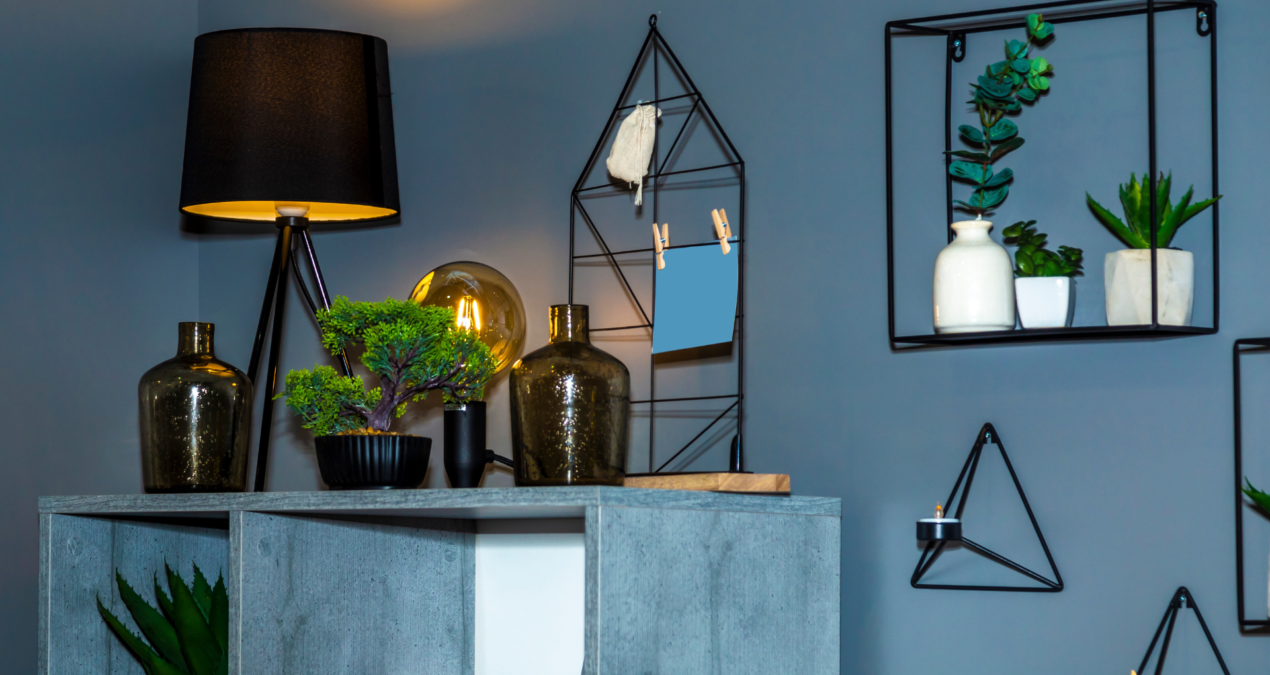
Many people believe redecorating requires buying new items, but that is not always true. Decorating with what you already own is possible by repurposing furniture, rearranging layouts, and mixing textures and colours for a fresh look. This approach saves money and reduces waste, making it a practical option.
By assessing existing pieces and identifying key items that can be showcased differently, anyone can transform a room. Small changes like swapping cushions or grouping accessories differently create a noticeable impact without extra expense.
Understanding how to use what’s already at hand allows for creativity within limits. It challenges the decorator to rethink spaces and discover new potential in familiar objects.
Assessing and Showcasing Your Current Home Decor
Understanding how each item fits into the room’s look is key. Identifying pieces that can be rearranged or repurposed brings new life without buying more. Emphasising distinctive and meaningful objects adds character and personal value.
Evaluating Your Space and Style
He should first measure his rooms and note existing colour schemes and lighting. This helps spot where more balance or contrast is needed. Assessing furniture scale is critical: large items may overwhelm small spaces, while tiny pieces can seem lost in larger rooms.
It is useful to sketch a simple layout to visualise flow and focal points. He should check if the current style—be it modern, rustic, or eclectic—feels cohesive. If not, targeting accessories that unify the look becomes a priority.
Rediscovering Forgotten Pieces
He should look through storage areas like cupboards, attics, or under beds for neglected items. Vintage trays, old pictures or even unused cushions can add texture and interest once brought back into view.
Repurposing is effective, too. A scarf can become a table runner, while books stacked differently might serve as side tables. Sometimes, cleaning or reupholstering restores the charm in a forgotten piece.
Highlighting Sentimental and Unique Items
Incorporating objects with personal history enhances emotional connection to the space. He can place heirloom vases or travel souvenirs on shelves or mantelpieces where they draw attention.
Grouping similar items creates intentional displays. For example, arranging small pottery from various trips or using framed family photos as a gallery wall establishes a distinct character. Proper lighting further emphasises these special elements.
Creative Ways to Refresh Every Room
Refreshing a room can be achieved by rethinking current elements rather than buying new items. Changes in layout, creative use of accessories, and rotating visual elements can all breathe new life into a space efficiently.
Rearrange Furniture for a New Layout
Rearranging furniture can transform a room’s function and feel. Focus on improving flow, maximising natural light, and highlighting key focal points like windows or fireplaces.
Start by moving larger pieces away from walls to create more intimate seating areas. Experiment with angles rather than sticking to straight lines, which can make the space feel more dynamic.
Ensure enough clearance to walk comfortably between pieces, generally about 60-75cm. Using furniture to define zones—like reading corners or workspaces—can refresh usage without adding new items.
Repurpose and Swap Accessories
Accessories like cushions, throws, and lamps can be relocated to refresh a room’s look. Swap these items between rooms or change their position within the same space to create variety.
Consider using bed linens or kitchen textiles as upholstery covers or table runners in other rooms. Mixing textures and colours from other parts of the home can add unexpected interest.
Grouping small objects into new displays on shelves or tables also sparks visual appeal without additional cost. Regularly review what’s on show to maintain a fresh atmosphere.
Rotate Art and Books for Visual Interest
Rotating art and books is a simple way to change a room’s mood. Select pieces from other rooms or storage to replace the current wall art temporarily.
Books can be rearranged by colour, size, or genre on shelves for a fresh visual effect. Displaying books flat with decorative objects on top creates different layers of interest.
Changing the art and books periodically prevents the space from feeling static and encourages closer engagement with existing possessions.
Personal Touches and DIY Ideas
Adding personality to a room can be achieved by repurposing what is already available at home. Simple rearrangements and combining natural elements create fresh interest without extra purchases.
Creating a Gallery Wall with Existing Art and Photos
A gallery wall can be assembled using framed photos, artwork, or prints already owned. The key is to lay everything out on the floor first to find an arrangement that balances size and colour.
Use a mix of frame styles to add texture, but keep the spacing consistent. Hanging at eye level ensures the display is easily viewed and feels cohesive.
For a minimalist approach, select a theme such as travel or family moments. Using washi tape or removable hooks prevents damage when experimenting with layout before committing to nails.
Incorporating Natural Elements from Indoors and Outdoors
Natural elements can be used to bring life to a space without buying new decor. Collect branches, pinecones, or stones from the garden and display them in bowls or jars.
Houseplants or cut flowers from outdoor beds add colour and improve air quality. Placing small pots on shelves or windowsills integrates greenery naturally.
Using natural fabrics for cushions or throws can further the connection to nature. These elements create calmness and texture without cluttering the space.
Switching Textiles and Soft Furnishings
Changing cushions, throws, or rugs already owned can refresh a room’s look. Rearranging textiles in different rooms or layering them adds dimension and warmth.
Mixing fabrics like cotton with wool or linen provides a subtle contrast. Washing or steaming existing items can rejuvenate their appearance.
Rotating soft furnishings seasonally is an easy way to adapt the feel of a room, making it feel new without spending. This method maximises what is on hand while encouraging creativity.
Maintaining a Fresh and Cohesive Home
To keep a home looking fresh, it is important to regularly rotate accessories like cushions, throws, and artwork. This prevents spaces from feeling stale and introduces subtle changes without adding new items.
Consistency in colour schemes helps maintain cohesion. Sticking to a palette of three to four colours ensures that different pieces work well together, even if they were acquired at different times.
Decluttering is essential. Removing items that no longer serve a purpose or match the desired aesthetic frees up space and makes existing décor feel more intentional.
A simple checklist can be helpful for regular upkeep:
| Task | Frequency | Purpose |
| Dust and clean items | Weekly | Keeps surfaces clear and bright |
| Rotate soft furnishings | Monthly | Refreshes the room’s look |
| Reassess layout | Quarterly | Improves flow and functionality |
Using similar textures throughout a room also promotes a sense of unity. For example, pairing linen cushions with a cotton throw blends well, even if patterns differ.
Incorporating plants or natural elements brings life and softens the space. These can be rearranged seasonally to complement existing décor.
By focusing on what is already owned and applying these strategies, a home can remain attractive and cohesive over time.