
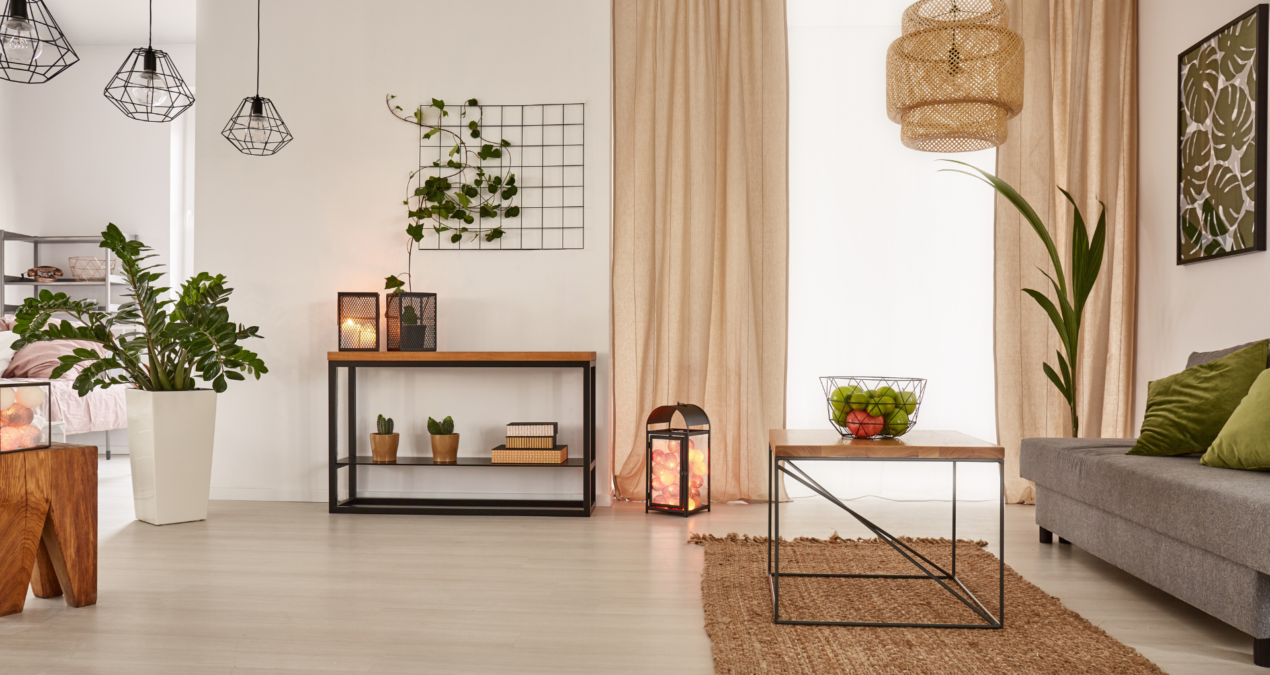
Refreshing a room doesn’t have to be expensive or complicated. Budget-friendly crafts offer simple and effective ways to transform any space without breaking the bank. They provide creative solutions that can add personality and style using materials easily found around the home or at affordable prices.
Many people look for projects that combine practicality with aesthetic appeal. These crafts focus on enhancing the room’s atmosphere while keeping costs low, demonstrating that thoughtful design doesn’t require a large budget. Whether it’s updating accessories, adding texture, or personalising décor, these ideas cater to a variety of tastes and skills.
Fundamentals of Budget-Friendly DIY Room Refreshes
Refreshing a room on a budget requires understanding key principles of DIY home décor, recognising the benefits of cost-effective crafting, and careful planning to stay within financial limits. The following details clarify these essential elements for efficient and affordable room updates.
Understanding DIY Home Décor
DIY home décor involves creating or modifying items for interior spaces without professional help. It often includes painting, repurposing furniture, sewing cushions, or making wall art. Mastering simple skills like measuring, cutting, and glueing can vastly improve outcomes.
Using readily available materials such as fabric scraps, recycled wood, or inexpensive craft supplies helps keep costs low. Many find that personalising décor not only suits their style better but also adds unique character to rooms, which mass-produced items rarely offer.
Benefits of Cost-Effective Crafting
Budget-friendly DIY projects allow homeowners to control expenses while achieving desired looks. They reduce reliance on costly store-bought pieces, which often come with mark-ups.
Besides saving money, these crafts encourage creativity and problem-solving. They can also foster satisfaction from completing tangible projects and updating spaces without the need for external services, reducing overall renovation time and expense.
Planning and Budgeting for Home Projects
Effective planning is crucial to avoid overspending. It starts with setting a clear project goal and estimating material costs based on research from local stores or online suppliers. Listing required tools and materials prevents impulse purchases during crafting.
Creating a flexible budget with a small contingency fund (usually 10-15%) accounts for unforeseen expenses like extra paint or replacement parts. Tracking expenses during the project helps maintain financial control and ensures completion within the set limit.
Creative Wall and Surface Upgrades
Simple changes can dramatically improve a room’s appearance without breaking the budget. Using versatile materials and clever layouts can refresh walls and surfaces effectively.
Quick Wall Art Solutions
Affordable wall art can be made by framing fabric swatches, wrapping decorative paper around canvas, or printing low-cost prints. These options provide unique pieces without expensive purchases.
Using thrifted frames or creating DIY abstract paintings are quick ways to add personality. Grouping small, colourful pieces together creates more visual interest than a single large item.
Clips or wire hangers allow easy rotating of art, keeping the space dynamic. This approach avoids permanent changes while allowing frequent updates.
Peel-and-Stick Wallpaper Ideas
Peel-and-stick wallpaper is a budget-friendly option for transforming walls without professional help. It’s easy to install and remove, making it ideal for renters.
Available in various patterns—from geometric shapes to floral prints—it can accent a single wall or line shelves and cabinets. Patterns like faux brick or wood add texture without renovations.
Measuring walls accurately before purchase reduces waste. Surfaces must be smooth, clean, and dry for the best adhesion.
Gallery Wall Arrangements
Gallery walls combine multiple pieces of art, photos, or prints to fill larger spaces. They create a curated look that showcases personal style.
Using frames of different sizes and colours adds depth. Arranging pieces on the floor beforehand helps finalise the layout.
A common method is to balance larger works with smaller items, spacing evenly for cohesion. Hanging hooks or picture ledges simplifies changes later on.
Accent Walls and Chalk Paint Techniques
Accent walls painted with chalk paint offer a creative alternative to wallpaper or emulsion. Chalk paint adheres well to many surfaces and requires minimal prepping.
It provides a matte, chalky finish that can be easily distressed for a rustic look. Colours range from pastels to bold shades, suitable for bedrooms or living rooms.
Chalkboard paint can be applied to create writable surfaces, perfect for kitchens or children’s rooms. It’s a low-cost way to add both function and visual interest.
Affordable Touches for Comfort and Style
Simple, cost-effective updates can significantly improve a room’s comfort and aesthetic appeal without a large budget. Small projects like soft textiles, updated hardware, and reflective surfaces create a fresh ambience and elevate design elements.
DIY Throw Pillows and Textiles
Creating throw pillows is an inexpensive way to add colour, texture, and personality. Using fabric remnants or old clothes, fabrics such as cotton or linen are ideal for durability and comfort. Basic sewing skills or no-sew options like fabric glue or iron-on tape can complete the cushion covers.
Mixing patterns and solid colours enhances visual interest. Choose fills like polyester or foam inserts, which are affordable and maintain shape well. Additionally, fabrics like velvet or faux suede add a subtle touch of luxury without high costs.
Upcycling Cabinet Handles
Replacing or painting cabinet handles can completely rejuvenate a room’s style, especially in kitchens or bathrooms. Old handles can be sanded, primed, and painted with metallic or matte finishes to match current trends.
Alternatively, switching out handles for simple brass, black iron, or ceramic knobs provides a modern or vintage look, depending on the style chosen. The tools needed are minimal: just a screwdriver and possibly a drill if new holes are required.
Window Treatments That Transform
Updating window treatments both improves light control and enhances décor. Budget-friendly options include sewing simple curtains from affordable fabric or repurposing materials like bedsheets and tablecloths.
Using tension rods for easy hanging avoids hardware costs. Roller blinds can also be refreshed with fabric covers or stencil painting. Layering sheer curtains with heavier drapes adds dimension and comfort without a large investment.
Bold Statement Mirrors
Statement mirrors reflect light and visually expand small spaces. Large, inexpensive mirrors can be framed with DIY materials such as painted wood, washi tape, or even rope for rustic appeal.
Groupings of small mirrors arranged creatively serve the same purpose and offer flexibility. Hanging mirrors opposite windows maximises natural light, boosting room brightness and making the interior feel more spacious.
Practical Accents and Greenery Revamps
Adding practical accents and greenery can transform a room without a large budget. Simple techniques using indoor plants, creative planters, and well-chosen lighting provide a fresh look and functional appeal.
Easy Indoor Plant Displays
Indoor plants like succulents, pothos, and snake plants require minimal care and add life to any space. They help purify the air and bring natural texture to bland areas.
Position small pots on windowsills or desks where they receive indirect light. Grouping plants by size or type enhances visual interest and keeps care routines straightforward. Hanging pots or placing plants at different heights also diversifies the display with little cost.
Avoid overcrowding, which can stress plants and clutter the room. Opt for clean, simple containers to keep the focus on the greenery.
DIY Planters and Shelf Styling
DIY planters made from recycled materials, such as tin cans or glass jars, offer budget-friendly style upgrades. They can be painted, wrapped in fabric, or decorated with twine for a personalised touch.
Floating shelves work well for showcasing plants along with small decorative items. Arranging different shapes and sizes of planters creates a layered effect that draws the eye upwards.
An organised shelf with a mix of snake plants, trailing pothos, and compact succulents balances scale and colour. Mixing materials like wood, ceramic, and metal planters keeps the display visually dynamic.
Centrepieces on a Budget
Low-cost centrepieces using greenery create focal points for tables or shelves. A shallow bowl filled with a mix of succulents can replace expensive floral arrangements.
Glass terrariums or simple trays with pebbles and small plants provide texture without clutter. Adding candles or small decorative stones enhances the look without raising costs.
Centrepieces should complement the room’s décor while being easy to maintain. Choose plants that thrive indoors and require minimal watering.
Lighting with LED Bulbs and String Lights
LED bulbs are energy-efficient and produce less heat, making them ideal for plant-friendly lighting. Using warm white LEDs under shelves or in lamps improves ambience and highlights greenery.
String lights add soft, decorative illumination around window frames, shelves, or plants. They create cosy atmospheres and highlight plants without overpowering natural colours.
Position lights where they don’t interfere with plant growth but add warmth to the room. Battery-operated string lights offer flexibility and avoid additional wiring costs.