
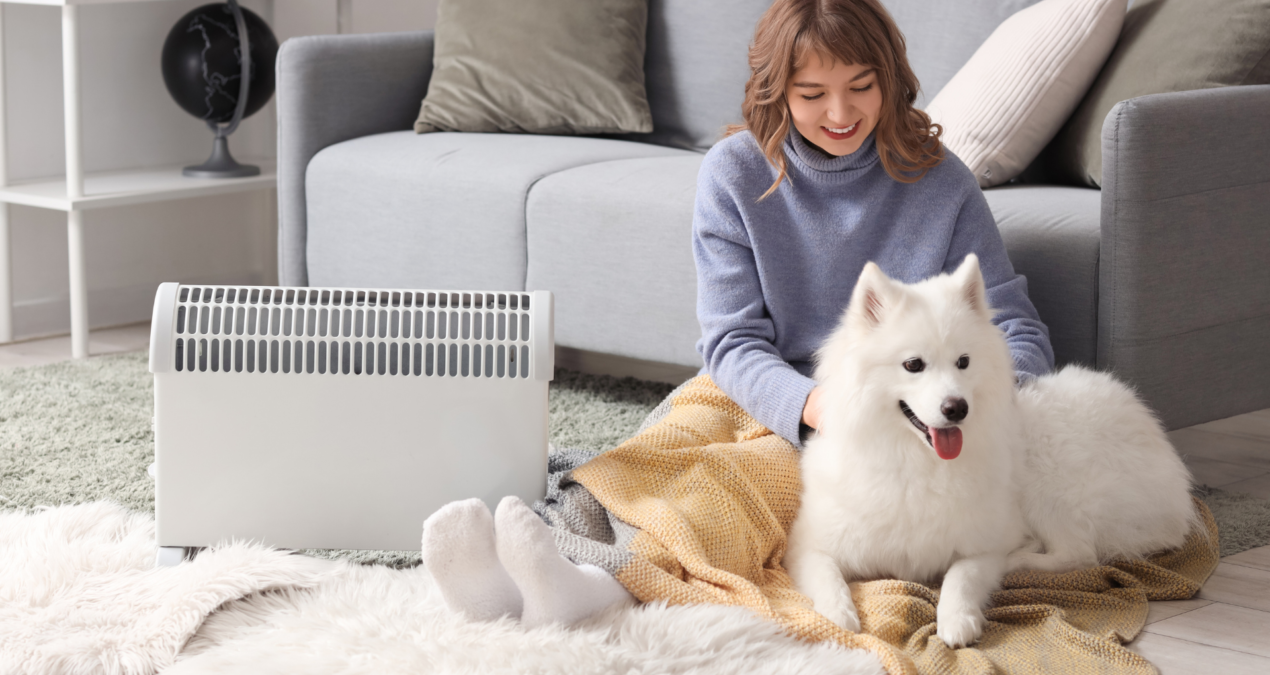
Many pets become anxious or restless at home, especially during changes in routine or noisy events. Creating a calm and cosy environment helps reduce their stress and supports their well-being. Simple adjustments, such as providing a quiet space and consistent routines, can make a significant difference in keeping pets relaxed.
Understanding a pet’s specific needs is key to maintaining their comfort. This includes appropriate bedding, gentle interaction, and controlled sensory stimulation to avoid overwhelming them. With the right approach, pets can feel safe and content in their own space.
Understanding Stress in Pets
Stress in pets can arise from various sources and manifests through specific behaviours and physical signs. Recognising these stressors and symptoms is crucial in maintaining their well-being. Chronic stress can affect pets’ health and behaviour in noticeable ways.
Common Causes of Anxiety in Domestic Animals
Pets often experience anxiety due to changes in their environment. Moving house, new family members, or altered daily routines can create uncertainty. Loud noises such as fireworks, thunderstorms, or household appliances also trigger stress.
Other causes include separation from owners, lack of socialisation, and unfamiliar visitors. Certain animals are more sensitive to stress due to their breed or individual temperament. Long periods of isolation or lack of stimulation compound anxiety in many pets, especially dogs and cats.
Recognising Signs of Stress in Your Pet
Signs of stress can vary widely among pets but often include pacing, trembling, excessive grooming, or hiding. Vocalisation changes such as whining, growling, or meowing loudly are common indicators.
Physical symptoms include panting (in dogs), drooling, or changes in appetite. Behaviourally, pets may become aggressive or unusually withdrawn. Monitoring changes in sleep patterns or toileting habits can also reveal elevated stress levels.
The Impact of Stress on Health and Behaviour
Prolonged stress weakens the immune system, making pets susceptible to infections. It can worsen existing conditions like skin problems or digestive issues. Behavioural changes such as increased aggression or destructive activities often arise from unresolved stress.
Chronic anxiety may lead to compulsive behaviours, such as tail chasing or excessive licking. Stress also affects learning and social interactions, reducing a pet’s overall quality of life. Early intervention is key to preventing these negative outcomes.
Creating a Calm and Cosy Home Environment
A home that feels secure and predictable helps pets stay relaxed. Providing safe retreats and using calming aids can reduce anxiety and support their well-being.
Establishing Consistent Routines
Pets thrive on routine because it gives them a sense of security. Feeding, walking, and playtimes should occur at similar times every day.
Predictable schedules minimise stress spikes caused by sudden changes. It also helps pets associate specific times with relaxation, such as winding down before bedtime.
Routine benefits extend to grooming and training. Regular, gentle handling establishes trust and reassurance, making pets feel safe within their environment.
Designing Safe Spaces and Comfortable Zones
Pets need designated quiet areas where they feel protected from household noise and activity. These spaces should be easily accessible and furnished with soft bedding or blankets.
Elevated spots for cats or enclosed crates for dogs provide a feeling of safety. Mark these areas clearly so pets recognise them as retreats during times of stress.
Keep the temperature moderate and avoid placing beds near drafts, heaters, or noisy appliances to maintain comfort. Separate food, water, and potty areas from rest zones to encourage relaxation.
Using Pheromone Diffusers and Calming Products
Pheromone diffusers emit synthetic versions of natural calming chemicals that help reduce stress. Products like Feliway for cats or Adaptil for dogs simulate signals that encourage safety and contentment.
These diffusers work best when used continuously in areas where pets spend most time. They are especially effective during events that trigger anxiety, such as thunderstorms or fireworks.
Additional calming products include sprays, collars, and treats containing natural ingredients like chamomile or valerian root. Combining these with a calm environment supports a fear-free, happy home.
Calm Interaction and Supportive Handling Methods
Effective pet care involves calm interactions and handling methods that reduce stress and promote comfort. These approaches build trust and encourage pets to respond positively in their home environment.
Low-Stress Pet Handling Techniques
Low-stress pet handling minimises anxiety by using gentle, predictable movements. It avoids sudden actions, loud noises, or forceful restraint, which can trigger fear responses.
Techniques include approaching pets calmly from the side rather than head-on and allowing them space to move freely. Supporting the body fully during lifting prevents discomfort. Offering treats during handling helps associate touch with positive experiences.
Understanding each pet’s individual preferences is crucial. For example, some dogs prefer brief ear rubs, while some cats tolerate gentle chin strokes more. Adjusting handling methods to the pet’s cues improves their comfort and cooperation.
Positive Reinforcement Training at Home
Positive reinforcement training focuses on rewarding desired behaviours to encourage repetition. It uses treats, praise, or play as incentives, avoiding punishment or fear-based methods.
This approach strengthens the human-animal bond and reduces stress by creating clear, positive associations with learning. Consistent short sessions, typically 5 to 10 minutes, maintain the pet’s attention without causing frustration.
Training steps should be broken into small, manageable tasks. Immediate rewards help pets understand what behaviours are wanted. This method also encourages mental engagement, which can reduce anxiety and promote calmness.
Mental Stimulation and Enrichment for Relaxation
Mental stimulation through puzzles, toys, or new scents supports relaxation by preventing boredom and restlessness. Enrichment activities satisfy natural instincts and provide outlets for energy.
Providing chew toys, food-dispensing puzzles, or interactive play sessions can occupy a pet’s mind constructively. Rotating toys regularly maintains interest and reduces habituation.
Incorporating quiet time after enrichment helps pets associate stimulation with rest. Calm environments and soft sounds can augment relaxation, making the home a safe space for pets.
When to Seek Veterinary Care for Persistent Anxiety
Persistent anxiety in pets can affect their health and well-being significantly. Recognising specific signs and involving veterinary professionals promptly ensures appropriate treatment and support.
Identifying When Professional Help Is Needed
If anxiety symptoms last more than two weeks despite environmental or behavioural adjustments, veterinary assessment is vital. Look for signs including excessive panting, trembling, persistent hiding, aggression, or refusal to eat. These may indicate underlying medical issues or severe anxiety.
Sudden behavioural changes such as destructive chewing or intense vocalisation should also prompt a veterinary consultation. Regular episodes triggered by noise, separation, or social situations that worsen over time require professional evaluation. Early intervention prevents escalation and improves quality of life.
Collaborating with Veterinary Professionals
Veterinarians can diagnose anxiety-related conditions and rule out medical causes. They may recommend behavioural therapy, environmental modifications, or medication tailored to the pet’s needs.
Owners should provide detailed observations about their pet’s habits and triggers. Cooperation with veterinary advice, including follow-up appointments, ensures accurate monitoring and adjustment of treatment plans. Effective communication helps create a customised strategy for calming and comforting the pet at home.