
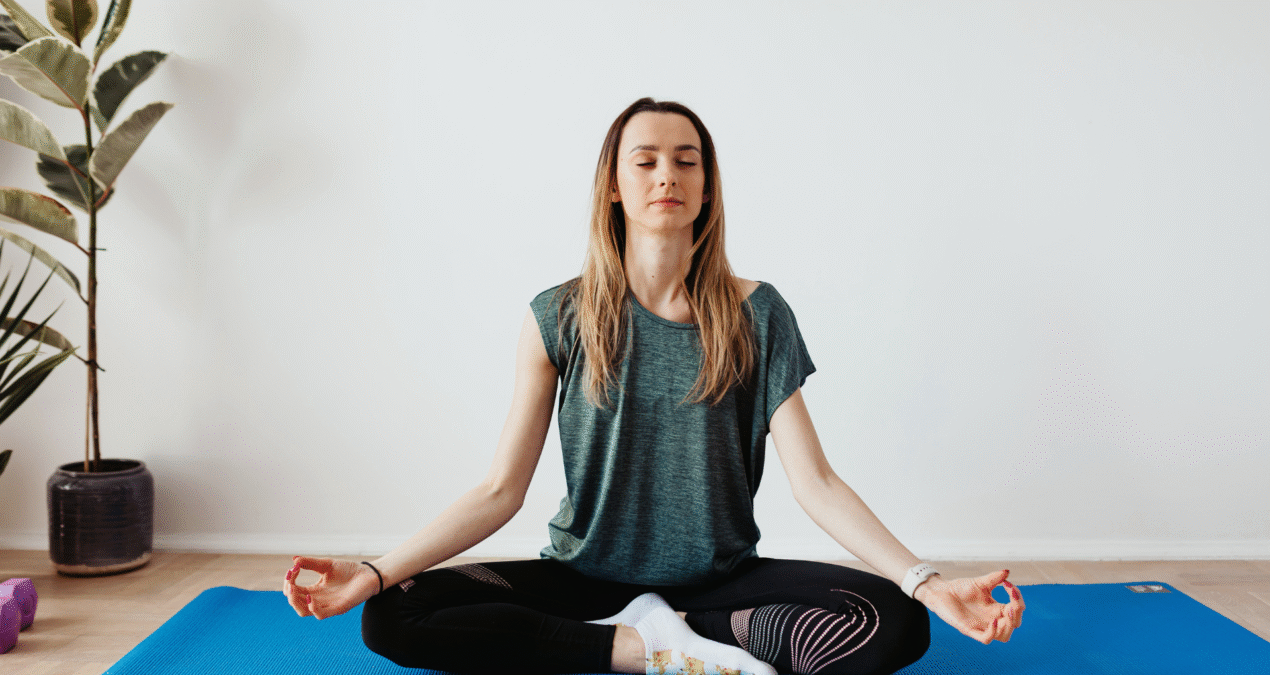
Small habits can significantly influence mental health and emotional well-being. Incorporating simple routines, such as daily gratitude practices or mindful breathing, can lead to meaningful improvements in overall mental wellness. These seemingly minor actions, when consistently adopted, have the power to shift one’s mindset and enhance resilience against stress.
Research shows that regular physical activity, even in short bursts, can boost mood and reduce anxiety. Alongside this, maintaining social connections through small gestures, like checking in on a friend, plays a crucial role in fostering emotional health. These habits not only promote individual well-being but also contribute to a more supportive community.
As individuals explore the impact of these small changes, they may discover that their mental well-being improves in profound ways. Adopting sustainable, manageable practices allows for an enriching journey towards better mental health that can be tailored to fit personal lifestyles.
Foundational Small Habits for Daily Well-Being
Daily well-being is greatly influenced by simple, consistent habits. Three foundational practices—sleep routines, physical activity, and nutrition—play vital roles in enhancing mental health.
Establishing a Consistent Sleep Routine
Prioritising a regular sleep schedule significantly influences mental health. Setting a consistent bedtime and wake-up time helps regulate the body’s internal clock. Over time, this can lead to improved sleep quality and reduced daytime fatigue.
A relaxing bedtime routine can also enhance sleep effectiveness. Activities such as reading, gentle stretching, or meditation signal to the body that it is time to wind down. Reducing exposure to screens before bed minimises disturbances in the production of melatonin, the hormone that regulates sleep.
Creating a sleep-friendly environment is equally crucial. Keeping the bedroom dark, quiet, and cool can create an optimal setting for rest. Investing in comfortable bedding and maintaining a tidy space may further contribute to better sleep quality.
Incorporating Physical Activity into Your Day
Regular physical activity is key to improving mood and reducing stress. Aim for at least 150 minutes of moderate exercise each week. This can include brisk walking, cycling, or even daily chores that raise the heart rate.
Incorporating short bursts of activity into a daily routine can also be effective. For example, taking the stairs instead of the lift or going for a brisk walk during lunch breaks can enhance overall physical health.
Beyond physical benefits, exercise releases endorphins, which are natural mood lifters. Establishing a routine that includes movement can create not only physical resilience but also mental clarity and emotional stability.
Choosing Nutrient-Rich Diets for Brain Health
A balanced, nutrient-rich diet supports cognitive function and emotional well-being. Prioritising foods rich in omega-3 fatty acids, such as fish, flaxseeds, and walnuts, has been linked to improved mood.
Fruits, vegetables, whole grains, and lean proteins provide essential vitamins and minerals that contribute to overall mental health. For example, B vitamins are crucial for energy levels, while antioxidants from fruits can reduce inflammation.
Staying hydrated is also important, as dehydration can lead to feelings of fatigue and irritability. Incorporating a variety of colourful foods ensures a wide range of nutrients that promote brain health, supporting well-being from within.
Mindfulness Practices That Foster Resilience
Incorporating mindfulness practices into daily routines can significantly enhance emotional resilience. These practices encourage individuals to cultivate awareness and appreciation, which can ease stress and strengthen mental health.
Daily Mindfulness Moments
Setting aside just a few minutes each day for mindfulness can make a substantial difference. This can include activities such as noticing one’s breath, observing surroundings, or simply taking a pause to acknowledge feelings. By fostering present-moment awareness, individuals learn to manage stress more effectively.
One technique involves a short, dedicated time to focus solely on breathing. This can be done in a quiet space or even during routine tasks. Consistency is key. Daily reminders can help establish this habit. Practising mindfulness can lead to greater emotional stability over time.
Cultivating Gratitude
Gratitude plays a crucial role in improving mental well-being. Taking time to recognise and appreciate positive aspects of life helps shift focus from negativity. This mindset can bolster resilience in challenging situations.
Journaling is one effective way to cultivate gratitude. Individuals can set aside time each day to note at least three things they are thankful for. Additionally, expressing gratitude verbally to others can strengthen relationships and enhance feelings of connectedness. These practices help create a more positive outlook.
Integrating Deep Breathing Exercises
Deep breathing exercises are vital for relaxation and anxiety reduction. They allow individuals to centre themselves and gain control over their emotions. Simple techniques, such as the 4-7-8 method, can be beneficial.
In this method, one inhales for four seconds, holds for seven seconds, and exhales for eight seconds. Regular practice of deep breathing can enhance physical and emotional resilience. This practice can be paired with mindfulness to deepen the effect, making it easier to cope with stressors.
Social Connections and Emotional Support
Social connections play a vital role in enhancing mental health. Establishing and nurturing relationships provides emotional support, which is crucial during challenging times. Accessing professional guidance can also help individuals navigate their mental health journeys while spending time in green spaces promotes relaxation and well-being.
Nurturing Meaningful Social Relationships
Developing strong social connections can significantly benefit mental health. Regular interactions with friends and family help foster a sense of belonging. Engaging in activities together, whether through shared hobbies or supportive conversations, strengthens these bonds.
It is essential to prioritise quality over quantity in relationships. A few meaningful connections are often more beneficial than numerous superficial ones. Encouraging open communication fosters trust, enabling individuals to share their feelings without fear of judgment.
Joining community groups or support networks enhances opportunities for socialising. Volunteering or participating in clubs can help individuals meet new people, expanding their support system. These connections can mitigate feelings of isolation and contribute to overall emotional resilience.
Accessing Professional Guidance and Therapies
Seeking professional guidance can be instrumental in maintaining mental health. Services like NHS Talking Therapies offer accessible options for individuals to receive the help they need. Cognitive Behavioural Therapy (CBT) is one effective approach for addressing various mental health concerns.
CBT focuses on changing negative thought patterns and behaviours. It equips individuals with practical tools to manage their emotions more effectively. For some patients, combining psychotherapy with medical evaluation or specialised treatments can be beneficial; clinics like Serenity Healthcare can provide therapies tailored to individual needs. Therapy sessions provide a confidential space for individuals to explore their thoughts with a trained professional, offering valuable insights and support.
Incorporating therapy into self-care routines reinforces the importance of mental health. Regular check-ins with a therapist can provide ongoing emotional support and help individuals stay accountable to their mental wellness goals.
Making Time for Green Spaces
Spending time in green spaces is an effective way to boost mental health. Nature provides a calming environment that reduces stress and promotes relaxation. Research shows that even brief walks in parks can enhance mood and cognitive function.
Engaging in green spaces encourages physical activity, which is beneficial for mental well-being. Activities like walking, jogging, or simply sitting in nature can induce feelings of tranquillity. Individuals should strive to make these activities a regular part of their routines.
Creating opportunities to connect with nature can also cultivate mindfulness. Focusing on the sights and sounds of the environment fosters present-moment awareness. This practice aids in reducing anxiety and improving emotional regulation.
Small Daily Changes for Managing Stress and Anxiety
Making small adjustments in daily routines can significantly alleviate stress and anxiety. Simple practices and self-awareness techniques can promote mental well-being and help manage symptoms effectively.
Self-Help Tips to Relieve Stress
Incorporating self-help strategies can empower individuals to tackle stress. One effective approach is time management; using tools like planners can help prioritise tasks, reducing overwhelm.
Mindfulness is another vital technique. Regularly practising mindfulness meditation can aid in grounding thoughts, helping to maintain focus and calmness.
Physical activity also plays a crucial role. Engaging in even a short daily walk can release endorphins, contributing to improved mood and reduced stress levels.
Breathing exercises are beneficial too. Techniques such as deep breathing help in calming the nervous system and can be done anywhere, making them practical for those experiencing stress or anxiety.
Recognising and Addressing Symptoms of Anxiety and Depression
Awareness of symptoms is key in managing anxiety and depression. Individuals should be attentive to signs like persistent worry, fatigue, or irritability as these may indicate underlying issues.
Keeping a mood journal can help track feelings and identify triggers. Documenting daily experiences provides insights into patterns that may need addressing.
Engaging in open conversations with trusted friends or professionals can also be beneficial. Discussing feelings allows for better understanding and reduces isolation, which can exacerbate anxiety and depression.
Setting realistic goals can prevent feelings of inadequacy that contribute to anxiety. Breaking tasks into manageable steps can foster a sense of accomplishment and reduce stress.
Embracing Gentle Practices Like Yoga
Yoga offers a holistic method for managing stress and anxiety. It combines physical movement, mindfulness, and breath control, all of which are essential for mental health.
Practising yoga regularly can improve flexibility and strength, which contributes to physical resilience. It also promotes relaxation through its focus on breath, helping to calm the mind.
Gentle styles of yoga, such as Hatha or Yin, are particularly beneficial. These styles focus on slow movements and deep stretching, reducing tension in the body while fostering mental clarity.
For those with social anxiety or generalised anxiety disorder, group classes can also encourage social interaction in a supportive environment, allowing individuals to feel less isolated.